What makes a good wine?
Many of us love wine. We like to talk about it, comment on it, and often have strong opinions about it. Present at celebrations and a must at Christmas, it is also a favourite gift to thank someone for a kindness or a favour.
But if wine feels familiar to us, one question remains:
what really makes a good wine?
I. The "good wine": a fundamentally subjective notion
A good wine is first of all a matter of personal taste, but also of context, moment and emotion.
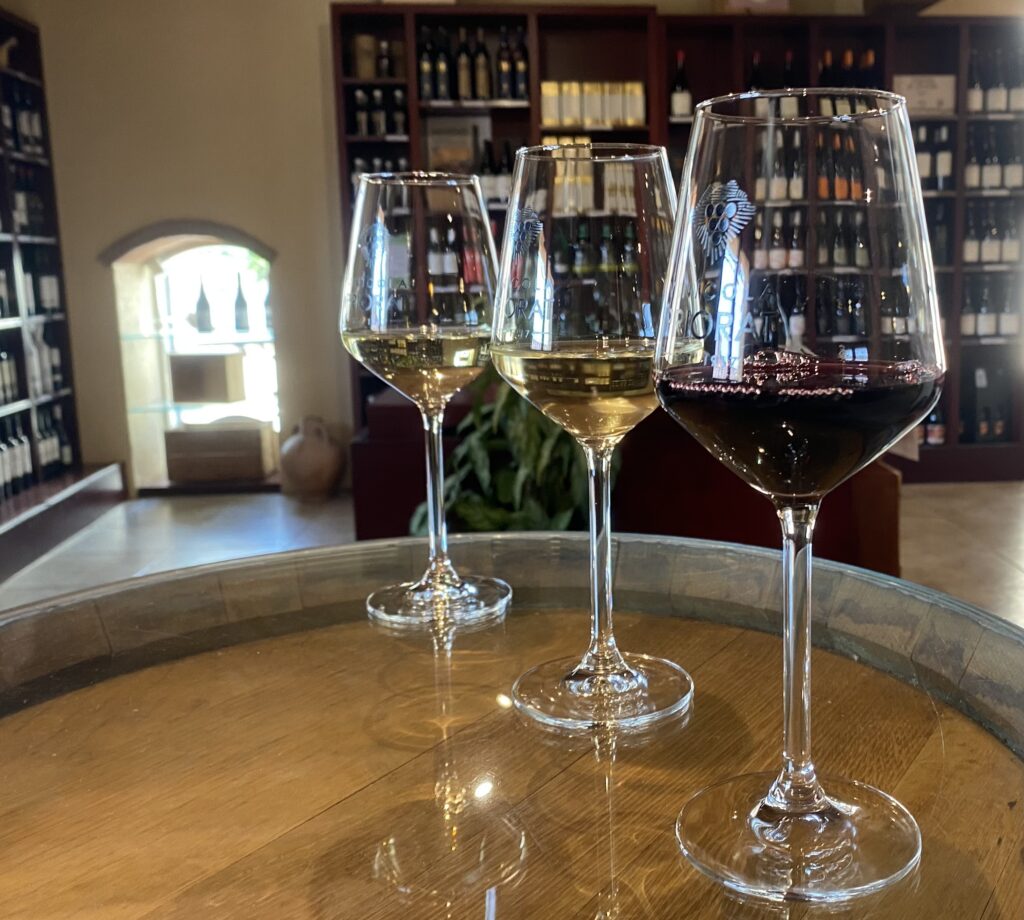
Preferences vary widely: some enthusiasts favour red wine, others white; some look for powerful, full-bodied wines, while others prefer lighter, more easy-drinking styles. Winemaking methods also have a profound influence on these perceptions.
The tasting context plays a decisive role. A wine enjoyed as an aperitif is not perceived in the same way as a wine served with a dish. The quality of the meal, the atmosphere, the company and the moment itself all play a part in the experience. All of these elements shape our judgement and make each tasting unique.
II. Objective quality criteria
Balance as a foundation
When you become a wine lover and take a real interest in what you drink, you look above all for balance and harmony.
Wine then becomes a true work of art: we appreciate its overall harmony just as we admire the balance of colours in a painting. The winemaker, for their part, blends barrels and plots to express the character of the wine, in keeping with their vision and sensibility.
Some winemakers have left a deep mark on their time with a distinctive style. Emmanuel Raynaud, an emblematic figure of Châteauneuf-du-Pape, is a striking example. His way of making wine — late harvests, very ripe grapes, concentrated fruit — allowed him to craft powerful, deep wines. He also favoured single-variety wines from specific plots to express the purity of the fruit, and kept his wines for seven to eight years before release.
With him, style and signature were fully embraced.
The great balances of wine
Despite this artistic and subjective dimension, there are objective, widely recognised principles for assessing the quality of a wine. The winemaker must strike a balance between four essential components:
- acidity, synonymous with freshness, which balances ripeness and ensures the wine is easy to drink;
- alcohol, an expression of ripeness and intensity;
- the tannins, shaped differently depending on the maceration and ageing;
- sugar and aromatic character, which balance with acidity and contribute to roundness.
A wine that is too tannic or too alcoholic, for example, will be unpleasant to drink young, but may soften with time.
A good wine is therefore above all a balanced wine that is pleasant to drink.
From good wine to great wine
What then sets a good wine apart from a great one is its complexity and length. Complexity shows in the aromatic richness and the intensity of the nose and palate, but also in the ability to combine freshness and aromatic power, the two needing to answer and balance each other.
III. The essential role of the winemaker
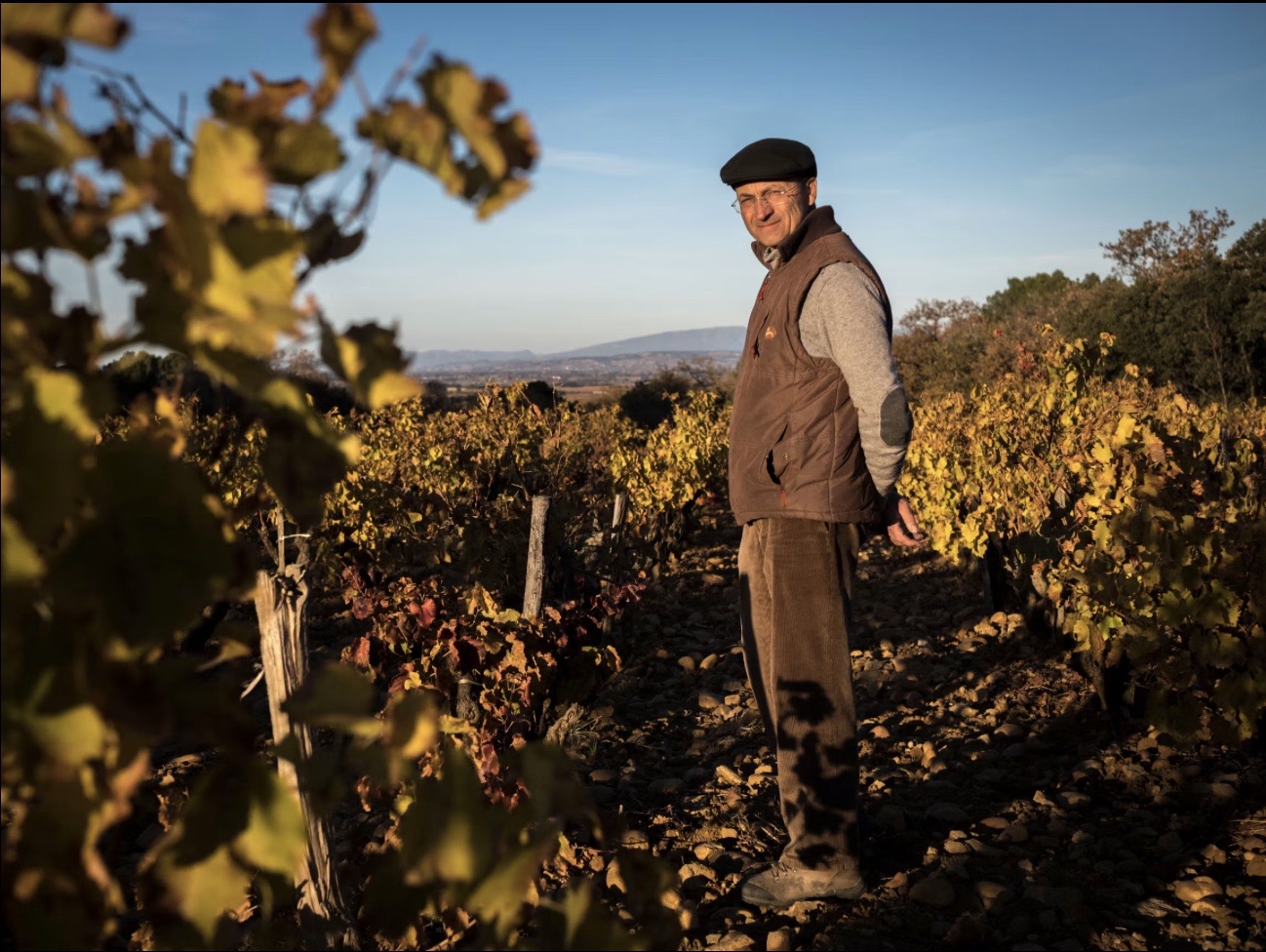
It seems impossible to assess a wine without considering the human work behind it. Depending on the winemaker's choices and practices, a wine will stand radically apart from a product of standardised industrial thermovinification, and each cuvée can assert its own identity.
Wine is a product in which the winemaker accompanies the "magic" of nature in order to bring out its best expression. They observe, guide and influence the natural cycle of the vine so that it yields the best possible grapes.
At the same time, wine remains one of the purest expressions of nature: the vine already contains everything needed for fermentation — the sugar and the yeasts naturally present on the bloom of the grape. The winemaker’s role is therefore not to create wine artificially, but to support and enhance the expression of the grape and the terroir.
Understanding the winemaker’s work opens up another dimension of wine: a finer understanding of nature, but also the passing on of a winemaking heritage and of know-how inherited from successive generations, rooted in a strong cultural tradition.
We therefore cannot separate our love of wine from the person who makes it, nor settle for standardised technological products. Such wines, although technically well controlled, will always be less a reflection of a terroir, a culture and an identity.
The winemaker and the wine thus tell a singular human story. Some, like Raynaud or the Michel estate in Quintaine, choose late harvests and very ripe fruit. This approach may run against current trends favouring very lively, low-alcohol wines, but it rests on a thorough knowledge of the terroir and grape varieties, which are able to provide the necessary freshness naturally. Even when fashions change, these winemakers fully stand by their vision of wine.
Conclusion: wine, a meeting of nature and humanity
Wine is a deeply subjective product for the consumer, and this subjectivity is not a flaw. On the contrary, it is the gateway into the world of wine, creating unique experiences and singular memories with every tasting.
There are, however, objective criteria that help us understand the quality of a wine. Consumers can, and should, be made aware of these notions of balance, length, aromatic purity and harmony so as to taste with greater discernment. The winemaker, for his part, has the responsibility of passing on this know-how, in the spirit of the Cistercian monks who shaped, over the centuries, a wine culture of exceptional richness.
Wine is thus a subtle balance between nature and human history: the vine, the terroir and the climate provide the raw material; man, through his choices and commitment, reveals and elevates it.
Choosing a wine with meaning means choosing a wine that carries a story, a vision and a sensibility. Agreeing to pay a little more for these wines then becomes logical, especially when the price difference remains modest compared with the cultural, human and qualitative value they embody.
Ultimately, wine is not just a drink: it is an encounter between nature, culture and people — and that is where its true richness lies.
Our Best Sellers
-
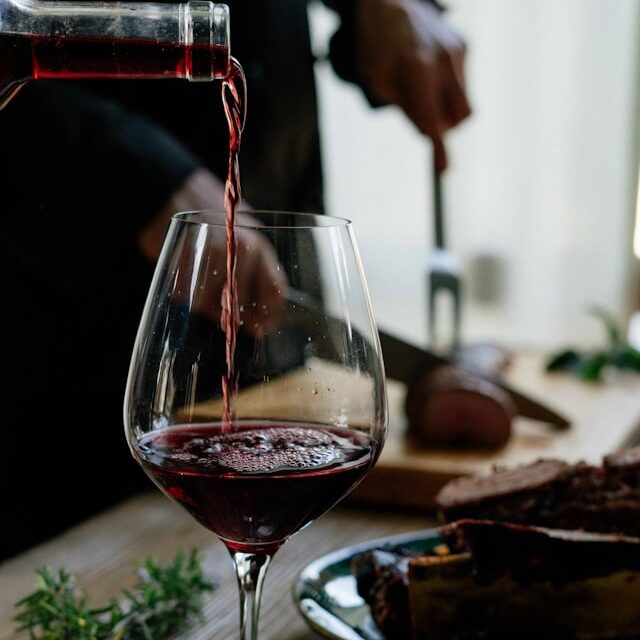
Workshop: Wines, Cheeses & Charcuterie In the heart of Old Lyon (Vieux-Lyon) — Lyon 5th arrondissement
Learn more€54.00 -
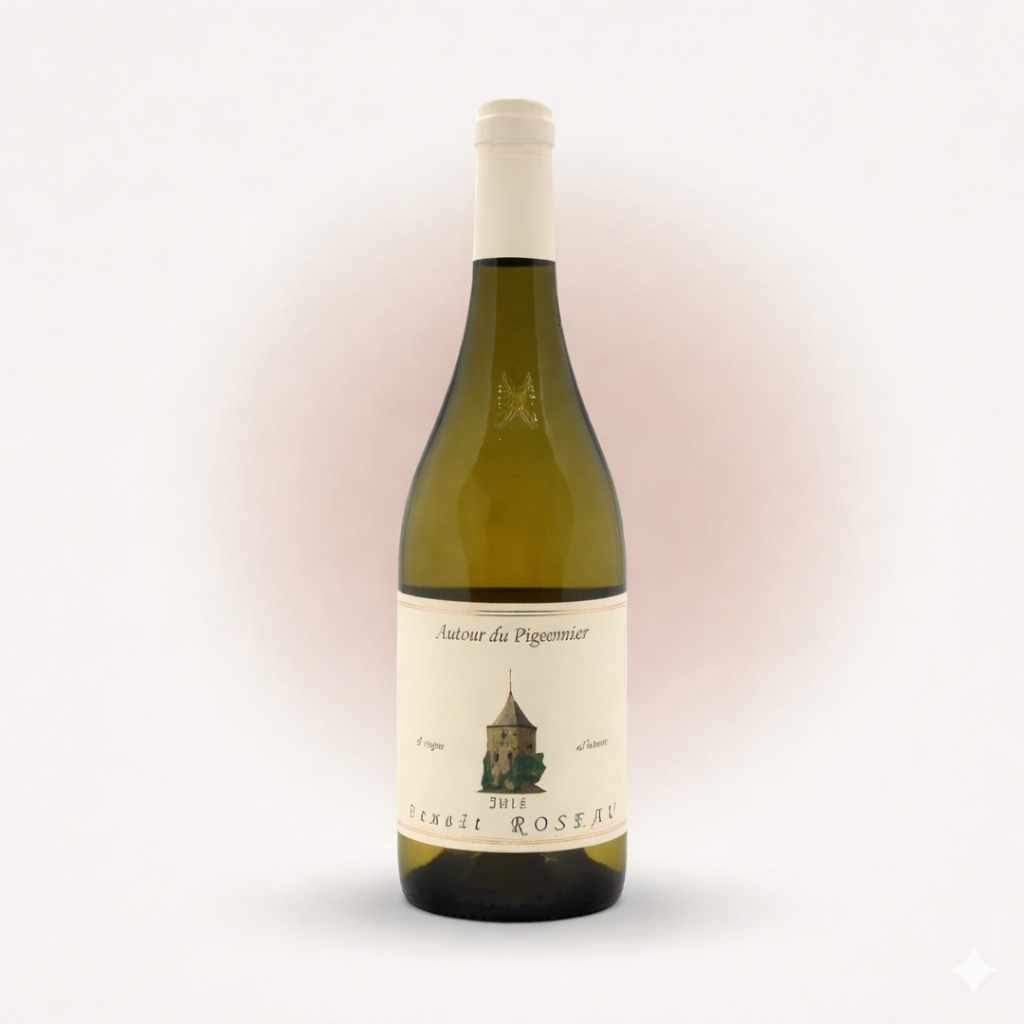
Benoît Roseau – IGP Colline Rhôdanienne 2023 – “Autour du Pigeonnier”
€11.90 -
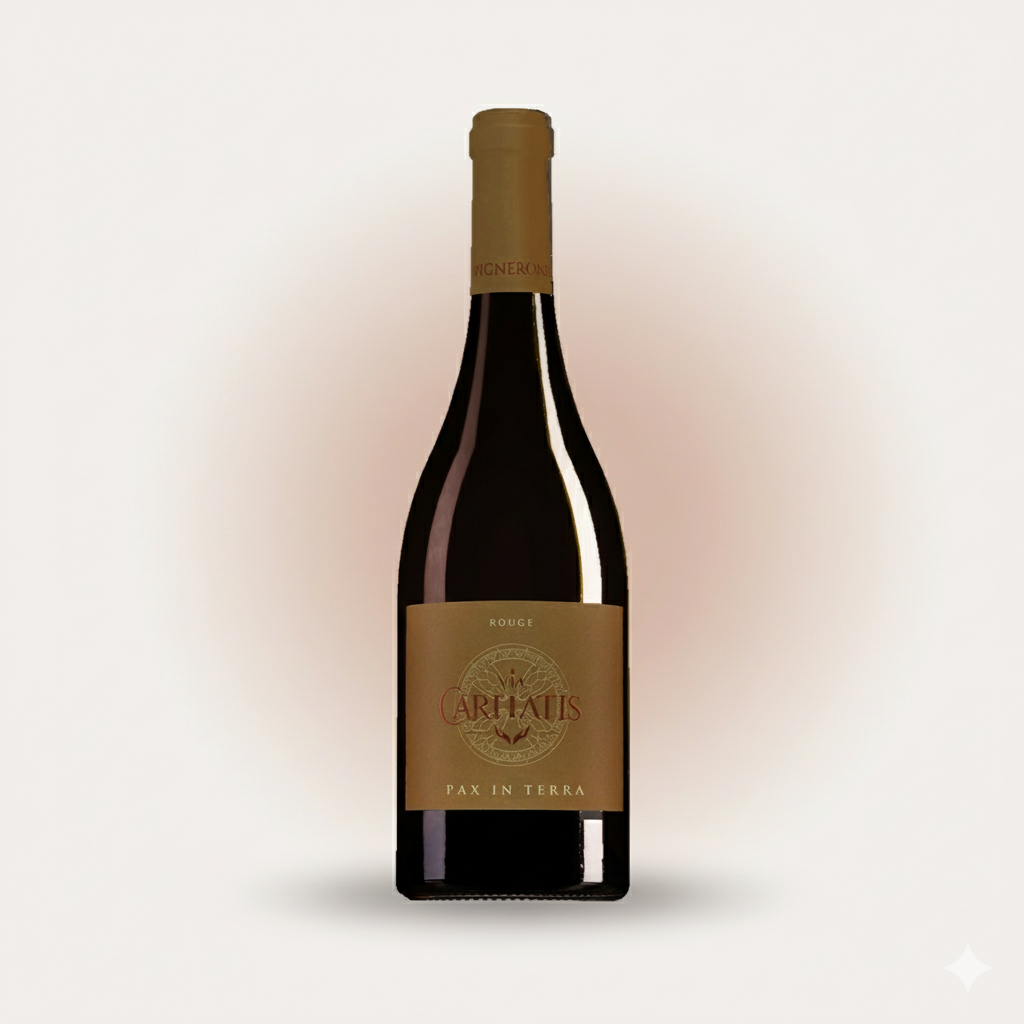
Pax Rouge 2024 Via Caritatis – Ventoux Rhône
€16.90 -

Domaine Cuilleron — Côte-Rôtie Viallière 2021
€38.90 -

Côte Rôtie AOP – La Madinière 2023
€54.00


Leave a Reply