

Côte Rôtie: the soul of Syrah on the slopes of the Rhône
Côte Rôtie, or Syrah in all its forms
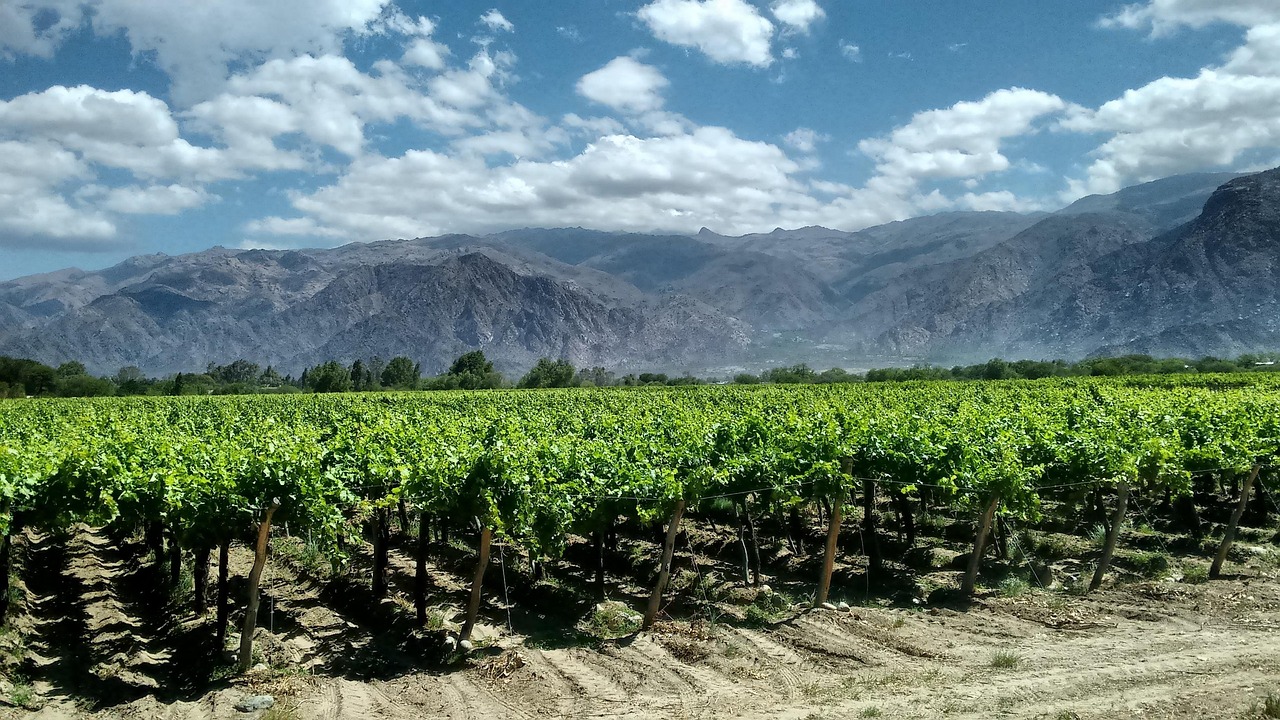
If you want to understand what Syrah can achieve at its best, look to the northern Rhône Valley, where the river narrows between steep hillsides and the vines cling to slopes that sometimes seem to defy gravity. Côte Rôtie, literally the “roasted slope” baked by a sun that strikes the schist at midday, is one of the most prestigious appellations in France. And one of the most demanding to work.
Yves Cuilleron’s La Madinière 2023 is a wine that speaks directly of this territory. Made from 100% Syrah planted on schist soils, it embodies what lovers of terroir wines look for: a clear identity, real depth, and a length on the palate that leaves a lasting impression. At 54 euros, it positions itself as a serious entry into the world of great Rhône reds.
What makes the Côte Rôtie terroir so special?
It all begins with geology. The schists of Côte Rôtie are dark, layered metamorphic rocks that absorb heat during the day and release it to the vines at night. This thermal cycle creates unique conditions: the grapes ripen slowly, keeping a natural acidity that gives the wine its characteristic tension. The poor soil forces the vine to send its roots deep, searching for water and minerals far below the surface. That search is what you find in the glass, in the form of a discreet but persistent minerality.
The slopes, sometimes inclined at more than 30 degrees, make any kind of mechanisation impossible. Here, the vines are worked by hand, season after season. This is not a romantic pose, it is a physical necessity. And paradoxically, this constraint preserves something essential: attention paid to every single vine, and a form of viticulture that remains on a human scale.
The appellation is traditionally divided into two main slopes, the Côte Blonde and the Côte Brune, with different soils and different expressions. But beyond this classic distinction, it is the terroir as a whole that leaves its signature: wines with character, rarely easy in their youth, that need time and reward patience.
Syrah in Côte Rôtie: one grape variety, a thousand nuances
Syrah is the only red grape variety permitted in Côte Rôtie. But under the appellation rules, it can be vinified with a small proportion of Viognier, an aromatic white grape variety. This particularity, unique in the wine world, is far from trivial: even in very small quantities, Viognier brings a floral dimension and an aromatic subtlety that sets Côte Rôtie apart from every other expression of Syrah in the world. The product details also list “Syrah and Viognier” as the grape varieties, in keeping with this tradition of the appellation.
In its expression on schist, Côte Rôtie Syrah develops a recognisable aromatic profile: notes of ripe black fruit, violet, often a touch of black pepper and black olive. With time, it evolves towards more complex aromas: leather, tobacco, truffle. It is a wine that tells a different story depending on when you open it.
Côte Rôtie does not give up its wines easily: it makes you earn them, and that is precisely what makes them unforgettable.
La Madinière 2023 has a recommended ageing potential of 4 to 15 years. This recent vintage can already be enjoyed, but it has a fine path of evolution ahead of it. Opening a bottle now means catching Syrah in its youthful vitality. Waiting a few years means discovering how schist and time turn power into elegance.
How to serve and pair La Madinière 2023?
A wine with this structure deserves some consideration when serving. The recommended temperature is between 16 and 18 degrees, which corresponds to a slightly cool cellar or a bottle taken out of the fridge about twenty minutes before serving. Too cold, and the aromas close up. Too warm, and the wine loses its freshness and seems heavy.
Decanting is a serious option to consider for a still-young 2023 vintage. Thirty minutes to an hour of breathing lets the wine open up, release its aromas and soften its tannins. It is not a must, but it is often a lovely way to better understand the wine’s potential.
As for pairings, La Madinière 2023 calls for red meats, roasted or grilled. A leg of lamb with herbs, a rib of beef cooked over embers, a lightly peppered duck breast: all good options that match the wine’s tannic structure and aromatic depth. Pressed cheeses, such as a well-aged Comté or a medium-aged Cantal, are also a classic and satisfying match. The wine can handle lightly spiced cooking, but avoid very intense spices that would overwhelm its finesse.
Practical tip: If you open La Madinière 2023 within the next two or three years, do not hesitate to decant the wine about 45 minutes before the meal. Put the decanter on the table and watch how the wine evolves in the glass as the meal goes on: Côte Rôtie Syrah is a living wine, which transforms as it takes in oxygen. This little ritual, simple and unceremonious, is part of the pleasure.
Yves Cuilleron and Côte Rôtie: deeply rooted in the Northern Rhône
Yves Cuilleron is one of the leading figures of the northern Rhône, a winemaker whose name has been associated for several decades with rigorous viticulture and with wines that faithfully express their origins. His estate is based in Chavanay, in the Loire département, right next to the flagship appellations of the northern Rhône Valley. From there, he works several appellations, including Côte Rôtie, with an approach that puts the expression of terroir above all other considerations.
La Madinière is one of his Côte Rôtie cuvées. Without going into biographical details that we cannot verify here, what comes through in the wine itself says the essential: a carefully vinified Syrah on schist, complex and deep, which carries the signature of its appellation with clarity. It is a wine you can discover directly on our product page, with all the tasting and serving information.
FAQ: your questions about Côte Rôtie and La Madinière 2023
Can you drink La Madinière 2023 now, or should you wait?
The 2023 vintage is still young, but perfectly accessible. Syrah grown on schist is often a little closed in its early years, but an hour of decanting is generally enough to open it up. If you want to discover the wine in its fullness, ageing it for 5 to 8 years will allow it to develop its full complexity. The recommended ageing potential extends up to 15 years for the most patient enthusiasts.
What is the difference between a Côte Rôtie and a Crozes-Hermitage or a Saint-Joseph?
These three northern Rhône appellations share Syrah as their main grape variety, but their terroirs are very different. Côte Rôtie stands out for its steep schist slopes, its possible addition of Viognier and a particular aromatic density. Crozes-Hermitage covers more varied terroirs and often gives wines that are more approachable when young. Saint-Joseph, with its granites and schists, offers a fresher, more taut expression. Côte Rôtie is generally considered the most complex of the three and the one with the greatest ageing potential.
Why is Viognier mentioned in a red Côte Rôtie wine?
This is one of the appellation’s historical particularities: the Côte Rôtie rules allow a small proportion of Viognier, a white grape variety, to be added during vinification with the Syrah. This age-old practice brings floral nuances and a certain aromatic softness to the finished wine. It is optional, and not all producers use it, or not in the same proportions. It is one more signature that sets Côte Rôtie apart from all other Syrah-based appellations in the world.
Article written with the help of AI.
Leave a Reply